
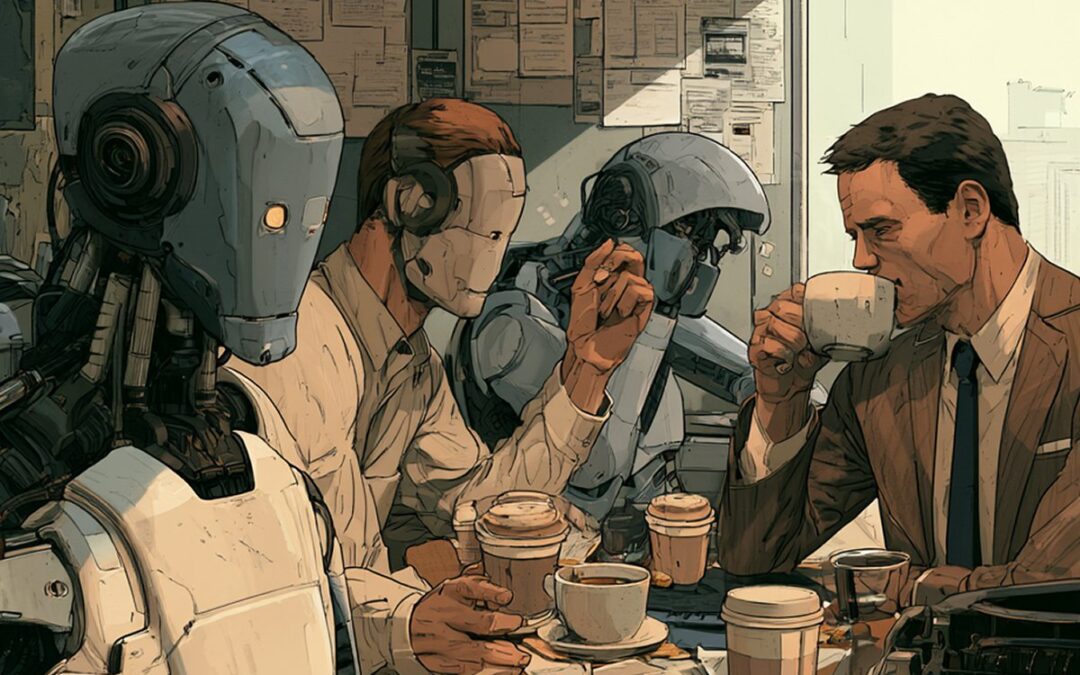
When I first started writing about remote work, the discussion was pretty simple. It was a matter of whether you were in the office or you weren’t in the office and how things worked as a result thereof. We debated productivity, work-life balance, and loneliness. It was a good discussion to be having.
Then we had this little thing called AI creep into the picture, and everything changed. It was no longer a matter of whether you were in the office or weren’t in the office. It was whether a human needed to do the work. And is some cases, whether the work needed to be done at all. This is where, in many cases, people’s eyes rolled back in their heads. Leaders, wanting to look in control, just defaulted to what they knew. Just get everybody back to the office, and we’ll sort it out there. Not the right answer. Or worse, reduce headcount because AI is going to a large percentage of the work going forward. Also not the right answer.
So what to do with all this confusion? Is it still a matter of whether you’re in the office or not. Or do we have to strip back everything to the studs and start over from scratch? I think that’s the answer, even if it’s an uncomfortable reboot. Interestingly, that was the right answer even before AI crashed the party.
Taking Things Apart
Work and place had been joined so long that most people couldn’t see how to separate them. Others did it naturally. This resulted in a divide between the two camps as one side tried to apply the old rules to remote work, and remote workers tried to come up with their own rules. Some succeeded; others did not. The ones that were most successful went back and looked at the process, and came up with new rules that worked regardless of where people were located.
There are more layers to this now that you add AI into the picture. It’s no longer a matter of what gets done where and when. It’s now a matter of whether things need to be done at all. This can be surprisingly upsetting for people. Especially if they’ve invested in their position and are doing things the way they have always done them. Years ago, I had a senior executive sabotage a multi-year project and take it over, just so they could keep doing things their way. Look for similar knee-jerk reactions as AI starts establishing a beachhead in everything we do.
Take a Breath
Years ago I had a sweatshirt that had the saying “Elephant Polo – once you learn how, it doesn’t get any easier”. In the time of AI, it’s a good philosophy to adopt. Here’s the reality. AI is going to be changing our world and our work for probably several years to come. Don’t carve work processes in stone. A whiteboard is a better place for work processes to be documented. Chances are that once you get things working the way you want, something is going to change it again. And things you consider core processes today may be totally different a year from now. Get used to it. The key is going to be able to spot the changing trends and adapt to it as quickly as possible. Not everyone is going to be comfortable with this, but it is our new reality. As they say, the only constant is change.