
The Rural Health Transformation program is something that could be a game-changer for rural communities. I tend to look at remote work and rural issues through a similar lens. Remote workers are more likely to move to rural areas if they can have access to health care. And people already living in rural areas are more likely to stay there for the same reason. With many rural hospitals closing, it really is time to rethink the whole system. It’s rare that you see an investment this large in fixing “the system”. I’ve worked on various programs in the past that were only partially successful because they couldn’t address the whole problem.
Rural communities across the United States face persistent challenges in health care access, from long travel distances to provider shortages and gaps in broadband connectivity. The new Rural Health Transformation (RHT) Program, established by the Centers for Medicare & Medicaid Services (CMS), offers states an unprecedented opportunity to address these issues head-on. With $50 billion in funding available over five years (2026–2030), the program empowers states to reimagine the way health care is delivered in rural America.
The timing of the announcement and the deadline for responding are pretty aggressive. This might scare some states away from applying. Here are a few apple pie and motherhood type areas that all states can use as a launching pad to apply for funds.
Invest in Technology and Data
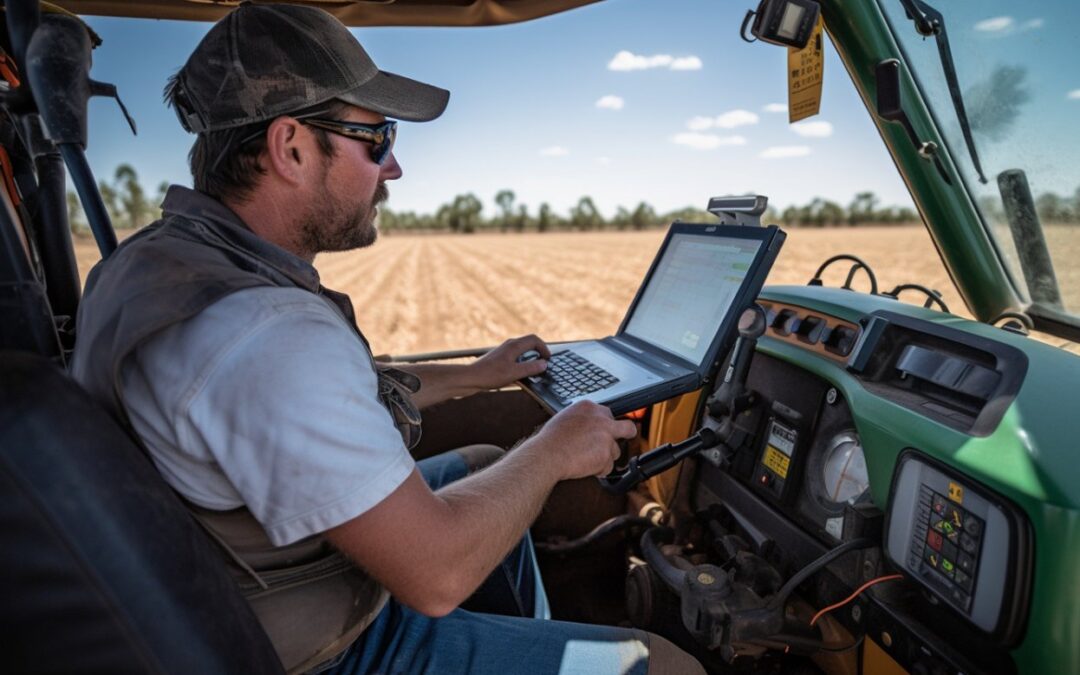
Rural areas need technology and connectivity for many purposes. Health care is just one of them. For the 80% of Americans over 65 who have two or more chronic health conditions, staying in touch with their doctor is important. Rural health access is a problem for many communities, and not just for seniors. Between telemedicine and wearable devices, rural communities can be connected to the best medical resources without having to drive long distances.
States can use RHT funds to build or strengthen centralized health data systems that connect rural clinics, hospitals, and providers. By improving interoperability, cybersecurity, and broadband access, rural communities gain reliable telehealth options, real-time health data sharing, and better integration with state and regional health systems.
This technology investment can make access to health care almost ubiquitous. This can help stabilize rural population loss, and increase opportunities for remote workers who don’t want to leave health care behind when they leave the city.
Expand the Rural Health Workforce
Recruiting and retaining clinicians is one of the biggest barriers in rural areas. Through RHT, states can support loan repayment, training programs, and incentives for providers to practice in underserved communities. Expanding roles for community health workers, nurse practitioners, and behavioral health specialists helps ensure care is both accessible and sustainable.
And for providers who might be in less populated areas, they can create a more sustainable practice through remote services without having to leave their communities. This preserves health workers in rural areas, and makes them available to other communities that may be underserved.
Address Social Determinants of Health
The program recognizes that health outcomes are shaped by more than medical care. States can leverage funds to connect rural residents with supports for housing, transportation, food security, and behavioral health. Embedding community health workers and building cross-sector partnerships helps tackle the root causes of poor health.
Having worked in various health and social services, it is rare that a program participant has a single need. While programs are often siloed, needs are often identified beyond a program’s ability to provide services. There should be no wrong door for services. Whether it is a simple referral or a full pre-registration, this is an opportunity to connect adjacent services.
Advance Innovative Care Models
RHT encourages states to pilot new ways of delivering and paying for care. Value-based care models, telehealth networks, and mobile clinics can extend high-quality services to rural populations while reducing costs. Alternative payment models ensure that rural providers are financially stable while delivering preventive and coordinated care.
This is going to be a period of learning. Health services 100 years ago were about 40% house calls. By 1980, it was almost non-existent. Now we are layering on telehealth and the pendulum is digitally swinging back to treating the patient where they are. This will increase touchpoints for patients and reduce the overall cost of care as we move towards preventive care.
Ensure Long-Term Sustainability
To make the most of RHT, states should design projects that extend beyond short-term funding. This means embedding new practices into state Medicaid programs, aligning with public health priorities, and building partnerships with local organizations that will endure.
The silos that currently exist in various health programs exist because of decisions made decades ago. We have new technologies and new capabilities that lend themselves to different models. While it might take a while to work that out, this is the opportunity to build the infrastructure and processes for what will come next.
A Turning Point for Rural Health
The RHT Program is not just about grants—it’s about transformation, but states need to look at it that way. It’s really easy to pour money into more business-as-usual activities. Historically, programs worked within the boundaries they were given, and they made the best investments they could. With an investment this size, states have to look beyond the traditional programmatic boundaries. It’s an opportunity for the silos to disappear and efficiencies to be implemented across programs.
By focusing on technology, workforce, social determinants, and innovative care delivery, states have a chance to reshape the future of rural health care. For rural residents, this could mean shorter wait times, stronger local clinics, better preventive care, and healthier communities for generations to come.